| Platform option | Best for | Typical model |
|---|---|---|
| viral.app | Canvas UGC and high-volume programs | Ongoing operations |
| Billo | One-off UGC videos | Asset delivery |
| Trend and Influee | Curated photo and video content | Brief-to-asset workflow |
| JoinBrands | Budget-friendly UGC tests | Self-serve marketplace |
| GRIN, CreatorIQ, and Aspire | Influencer marketing | Audience-led campaigns |
| Fiverr and Upwork | Flexible freelance support | Freelance projects |
| TikTok and Instagram | Native influencer deals | Sponsored creator posts |
Not every UGC platform is built for the same type of campaign. Some are designed for one-off videos, others focus on influencer marketing or freelance services, while viral.app focuses on the tracking, attribution, and payout needs of Canvas UGC programs.
Canvas UGC is a performance-oriented content model in which a creator produces and publishes short-form video on a brand-controlled or brand-dedicated account. Unlike traditional UGC, the creator remains involved beyond production by publishing content regularly and optimizing it around views, installs, conversions, or other agreed results.
The commercial pull behind all of these models is real. In Bazaarvoice's 2025 Shopper Preference Report, a survey of more than 8,000 consumers across six countries, one in three shoppers said they bought a product because a creator recommended it, rising to 56% among 18-to-34-year-olds. The question is not whether creator content works, but which platform model fits the campaign you want to run.
Quick comparison: which UGC platform is best for what?
The seven entries below represent seven different ways to run creator work. Some entries group similar platforms because the most useful decision is usually the campaign model, not the logo. The order starts with ongoing performance UGC, then moves through content production, influencer marketing, freelance support, and native social partnerships.
7 best UGC platform options for brands and creators
1. viral.app: Best for Canvas UGC
viral.app is the strongest choice for brands and creators that want to build a dedicated Canvas UGC program rather than run traditional one-off UGC campaigns.
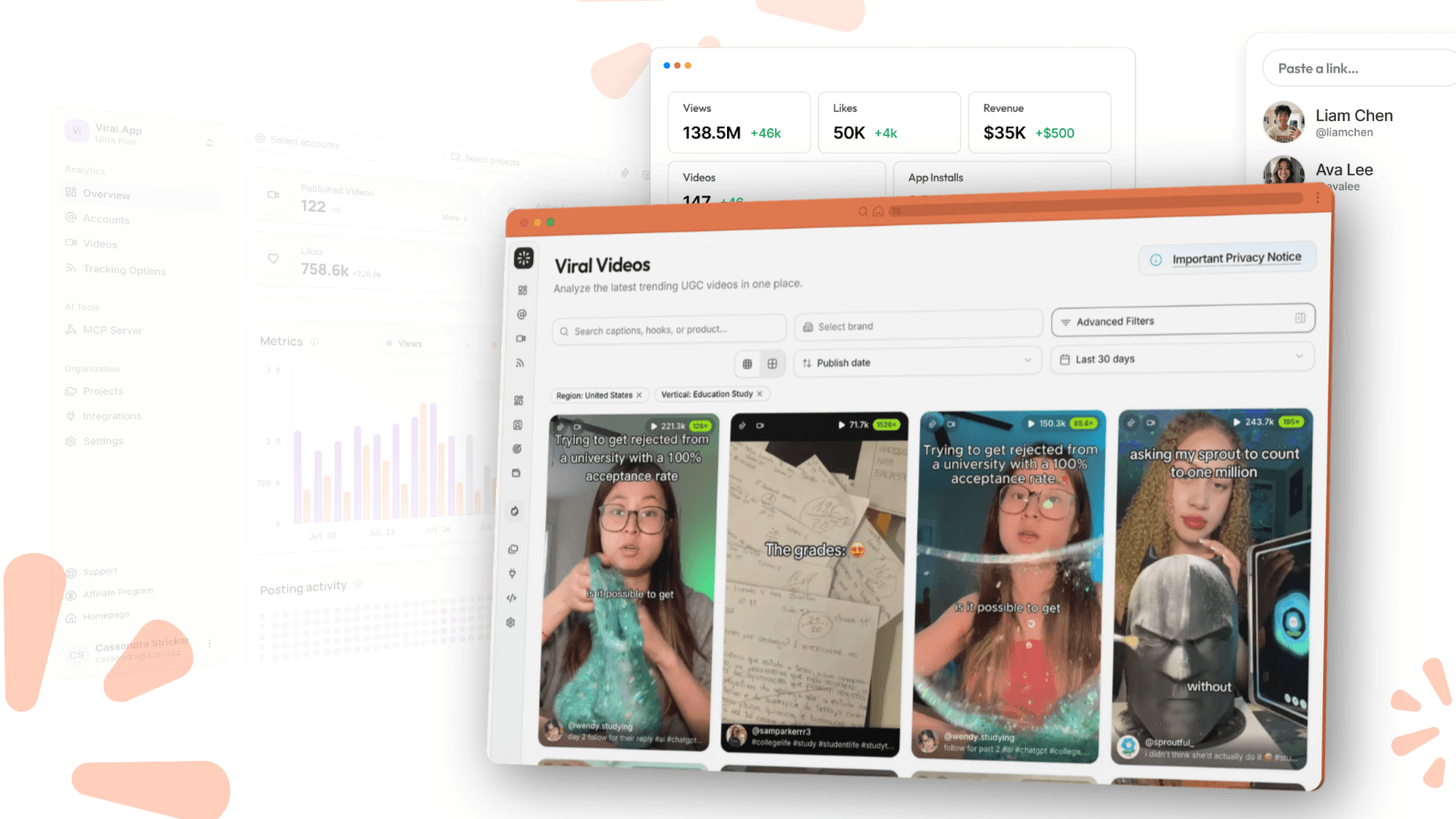
The platform is particularly relevant for tech brands, mobile app companies, SaaS businesses, and other digital products that need a regular supply of native content across social platforms. A brand can use viral.app to organize creator sourcing, content and creator tracking, campaign reporting, and payout workflows.
Why choose viral.app?
Built for Canvas UGC
Designed around Canvas, Tech, and high-volume UGC instead of one-off deliverables.
One operating view
Creators, videos, campaigns, and payouts stay connected in a single workflow.
Performance at scale
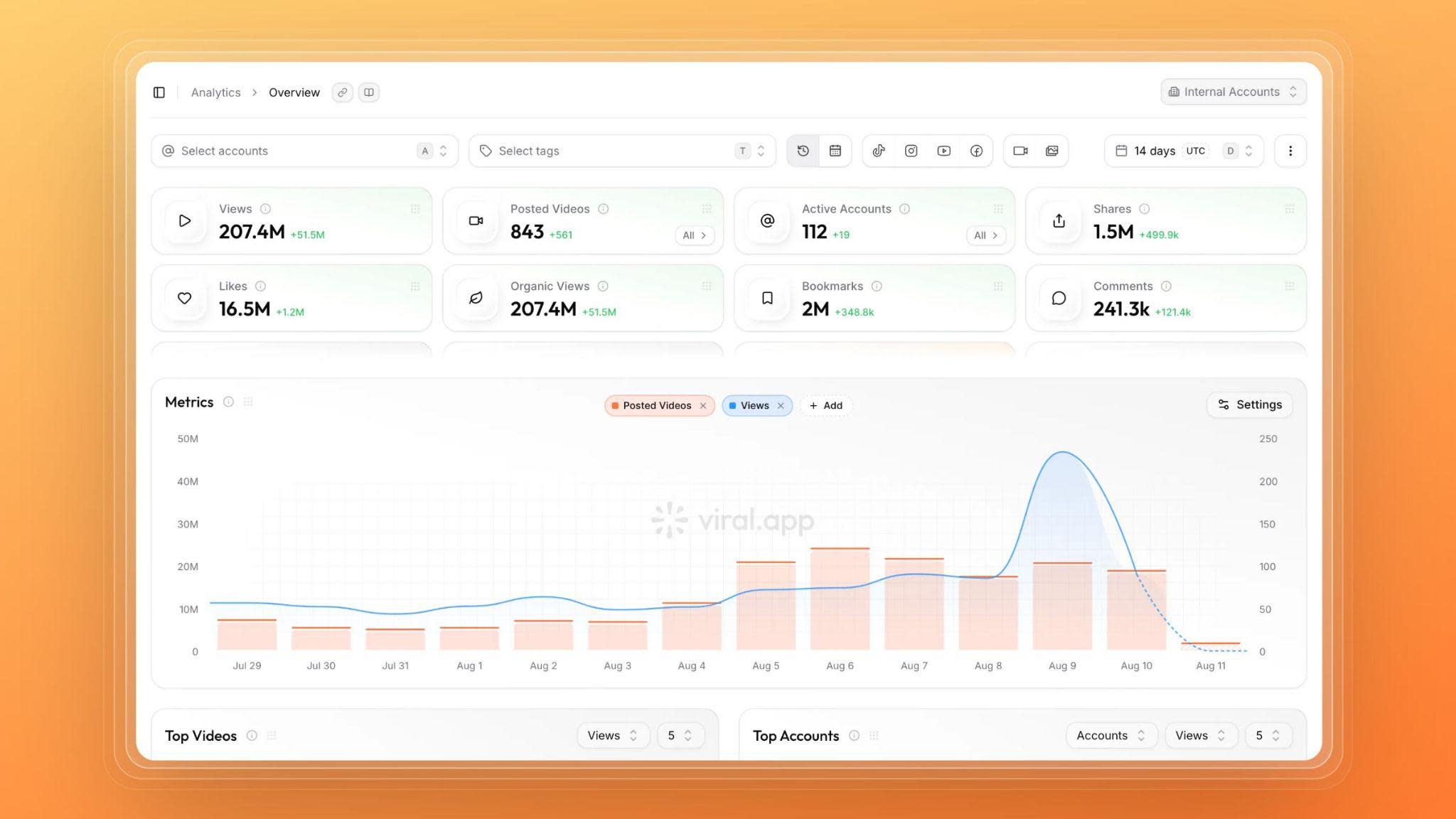
Short-form tracking and measurement that holds up with dozens of creators posting at once.
Unlike a general marketplace, viral.app is built around the idea that Canvas UGC is more than delivering a video file. It is an ongoing system where creators produce content, brands test performance, and top-performing videos can be scaled through paid media.
"viral.app feels like the first serious solution for managing high-volume UGC campaigns."
 Zack HargettQuizlet/Coconote Co-Founder
Best for: Brands and creators specifically interested in high-volume Canvas UGC, TikTok-native content, app marketing, and performance-based creator campaigns.
2. Billo: Best for one-off UGC videos
Billo is a traditional UGC marketplace that connects brands with creators who produce product videos, testimonials, unboxing videos, and other predefined deliverables.
A brand usually submits a brief, selects a creator, receives the finished video, and uses it organically or in traditional UGC ads. This makes Billo useful for brands that need a small number of polished assets rather than a continuous account-based content strategy.
What is Billo good for?
- Product demonstrations.
- Unboxing videos.
- Testimonial content.
- Short-form ads.
- One-off creator projects.
The main difference is that Billo focuses on content delivery. viral.app is the better fit when the goal is to run a complete Canvas UGC workflow that involves ongoing posting, performance tracking, and creator payouts.
Best for: Brands looking for individual UGC videos or small content packages.
3. Trend and Influee: Best for curated creator content
Platforms such as Trend and Influee help brands find creators for product photography, social videos, reviews, and other forms of user-generated content.
These platforms are useful when content quality, creator variety, and international sourcing are the main priorities. Brands can create briefs, review creator applications, and receive content for use across social media, websites, and advertising.
Where do these platforms fit?
- Product-based UGC campaigns.
- E-commerce content.
- Lifestyle photography.
- Product reviews.
- International creator sourcing.
However, these platforms are generally organized around content production rather than performance-based Canvas UGC.
Best for: E-commerce brands that need curated photo and video content.
4. JoinBrands: Best for budget-friendly UGC campaigns
JoinBrands offers a self-serve marketplace where brands can find creators for product videos, social posts, and other content packages.
It can be a practical starting point for smaller companies that want to test UGC without hiring a full-service Canvas UGC agency or managing a complex campaign internally.
What makes it useful?
- Accessible for smaller brands.
- Suitable for simple content briefs.
- Offers a broad pool of creators.
- Works well for product seeding and basic UGC campaigns.
The model is still closer to traditional UGC pricing: brands pay for specific deliverables, while creators produce and submit content.
Best for: Small brands testing traditional UGC campaigns on a limited budget.
If you seed products on Shopify rather than pay for posts, Influencer Gift Form replaces the DMs and draft orders with one gift link: creators pick a product, size and address, a $0 order lands in Shopify, and the app matches the Instagram and TikTok posts they make back to the gift. It has a 7-day free trial.
5. GRIN, CreatorIQ, and Aspire: Best for influencer marketing
GRIN, CreatorIQ, and Aspire are examples of platforms built around influencer marketing and large-scale creator relationship management.
They can help brands discover influencers, coordinate campaigns, manage relationships, track engagement, and measure sales or conversions. These tools are most relevant when an influencer is expected to publish content to an existing personal audience.
Influencer platforms are useful for:
- Influencer discovery.
- Audience and engagement analysis.
- Brand partnerships.
- Affiliate campaigns.
- Relationship management.
- Campaign reporting.
The distinction is important: influencer campaigns often value personal reach, audience demographics, and follower count. Canvas UGC may place more emphasis on the content itself and how it performs through a brand-controlled or brand-dedicated account.
Best for: Brands that want audience-based influencer marketing.
6. Fiverr and Upwork: Best for freelance UGC work
Fiverr and Upwork are broad freelance marketplaces where brands can hire video creators, editors, scriptwriters, voice-over artists, and other specialists.
They can be useful for specific UGC work, such as filming a product explainer, editing a TikTok, or creating a screen recording for a software company.
Common freelance projects include:
- TikTok videos.
- Product explainers.
- Video editing.
- Scriptwriting.
- Voice-over work.
- Tech UGC demonstrations.
The limitation is that general freelance platforms are not necessarily designed for a continuing Canvas UGC system. Brands may still need to manage account access, posting schedules, performance tracking, contracts, and payouts separately.
viral.app is better suited to brands that want creator marketplace workflows organized around ongoing campaigns rather than isolated freelance tasks.
Best for: One-time projects and flexible creative support.
7. TikTok and Instagram: Best for native influencer deals
TikTok and Instagram offer native tools that can help brands discover creators and coordinate sponsored collaborations.
These tools are convenient when a brand wants an influencer to publish on their existing social account. They are less well suited to a campaign in which a creator helps operate a dedicated brand canvas or ambassador account over an extended period.
Native marketplaces are useful for:
- Sponsored creator posts.
- Influencer discovery.
- Platform-native campaign management.
- Audience-based collaborations.
- Social account partnerships.
For brands that want influencer marketing, these tools may be sufficient. For brands that want a structured Canvas UGC workflow with recurring content, creator sourcing, performance tracking, and payout management, viral.app offers a more specialized approach.
Best for: Brands that want creators to publish sponsored content to their own social profiles.
Canvas UGC FAQ
Canvas UGC is a content model in which the creator films, edits, and publishes short-form content on a brand-owned or brand-dedicated social account. Depending on the campaign, the brand may give the creator access to an existing account or create a dedicated account for the campaign.
Traditional UGC usually involves paying a creator to produce and deliver a video file. The brand can then use that asset on its website, organic social channels, or paid media. With Canvas UGC, the creator is involved in publishing content on a brand-controlled account. Payment may be linked to views, installs, conversions, or other agreed performance metrics rather than only the delivery of the video.
Not necessarily. Canvas UGC focuses more on the performance of content published through a brand-controlled or brand-dedicated account than on the creator's personal audience. However, campaign requirements vary. Some brands may still consider a creator's experience, niche knowledge, content quality, or social presence when selecting applicants.
Canvas UGC can be relevant to mobile apps, SaaS companies, AI tools, and other digital products that need a consistent supply of short-form content. It can also work for brands that want to test different hooks, formats, creators, and product angles before scaling the strongest-performing content.
Content is usually published on a brand-owned account, a brand-controlled posting account, or a dedicated account created for the campaign.
viral.app is positioned around the operational side of creator campaigns. Its tools are designed to help teams track creators, posts, platforms, campaign context, performance data, reporting, and payouts. The platform also supports performance-based payout structures, including CPM, tiered payouts, hybrid models, bonuses, and campaign-specific payout rules.
Choose the UGC platform that matches the campaign model
The best UGC platform depends on what happens after a creator says yes. If the goal is one polished asset, a content marketplace or freelancer platform may be enough. If the goal is reach through an influencer's existing audience, an influencer marketing platform or native social tool is usually the better fit.
If the goal is an ongoing Canvas UGC program, the operating work matters just as much as creator sourcing. viral.app connects creator tracking, campaign performance, reporting, and performance-based payouts so brands can run the program as a repeatable system rather than a collection of one-off projects. You can test it on a real campaign with a 7-day free trial and cancel anytime.